 Uri Herbs Workshop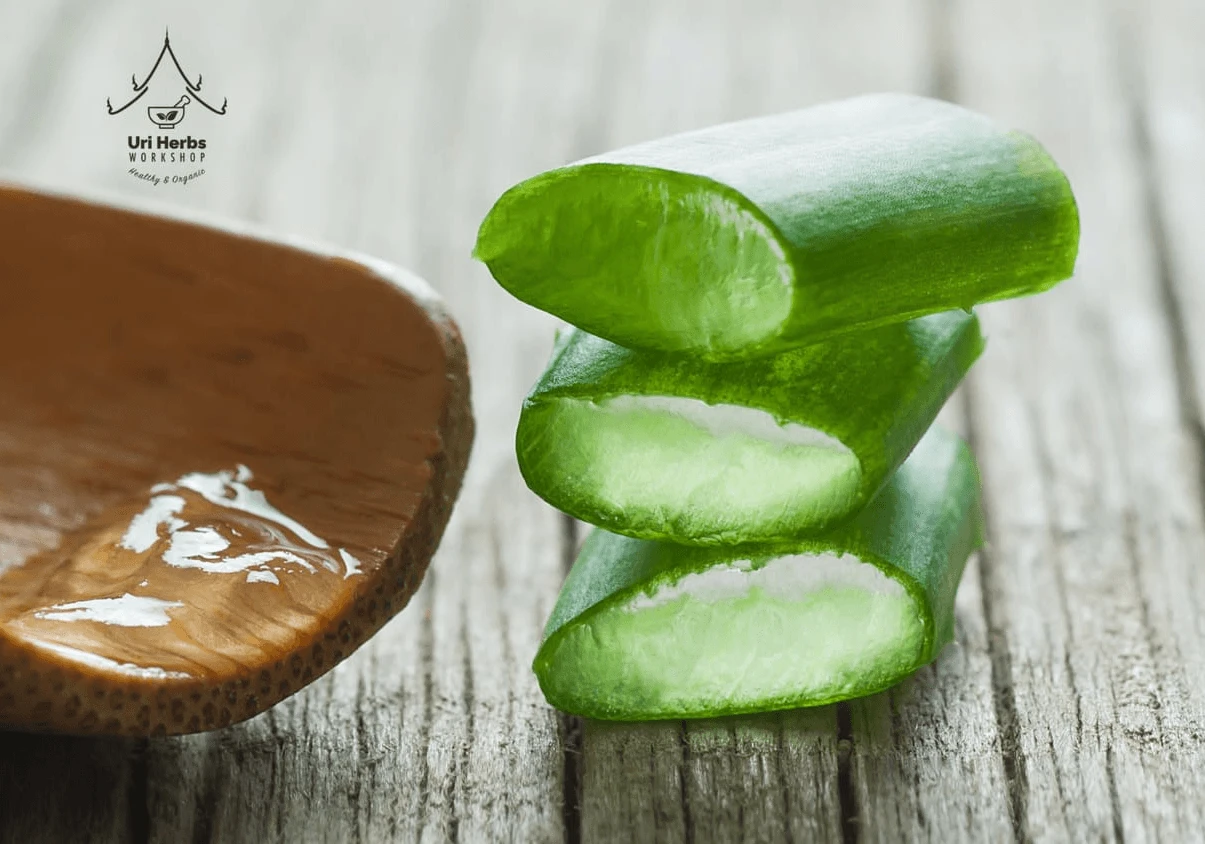
Sawatdee ka! I'm here, sitting in my sun-drenched garden in Thailand, surrounded by an incredible abundance of medicinal plants, from fragrant herbs to juicy succulents. But there is one plant that shines brightest, one that has become an integral part of folk and modern medicine here and across the globe — aloe vera. Recently, in my conversations with friends and gardening experts, I've noticed some major inaccuracies regarding this miracle plant, especially in identifying the true therapeutic species. As someone who lives and breathes the world of botany and herbal remedies, I want to shed light on this issue once and for all, based on the knowledge I've gained from researchers and my own practical experience here in the tropical climate.
What Is Medicinal Aloe Vera? Clearing the Botanical Confusion
The name aloe is a collective term for a vast family of over 400 succulent species. Most are beautiful, but only a select few possess the genuine healing properties we seek. The species we are looking for is Aloe vera, meaning the "true" aloe — its full botanical name is Aloe barbadensis Miller.
How to Identify the "True" Aloe (The Yellow Bloomer)
Accurate identification is critical, especially if you plan any internal use. The decisive botanical marker is the flower: Aloe barbadensis Miller is the only species that develops a flower stalk with a brilliant yellow hue — if you see orange or red flowers, that is not the medicinal strain you are seeking. The true medicinal aloe is extremely fleshy, its leaves are upright, and it has a gray-green color. This strain contains the highest concentration of gel and active compounds, making it the preferred choice for the cosmetics industry, alternative healing, and preparing edible gel. A similar-looking species flowers orange, and it's difficult to distinguish between the two until the plant matures and flowers — so any assessment of a young plant is merely a guess.
Common Species to Know (For External Use Only!)
Several common species are found in private and public gardens. They are not recommended for consumption and should be used cautiously, primarily for external application. Aloe chinensis, or Chinese aloe, is easily identified by the numerous small white spots on both sides of its green leaves — excellent for external use on burns, though it can be sensitive to direct sun, sometimes causing the leaves to turn reddish. Aloe arborescens, or tree aloe, has somewhat wrinkled and curled leaves and a flower that ranges from orange to red; it's very common and suitable for external use. Aloe x spinosissima, or spider aloe, is a fleshy hybrid with an orange-red bloom — it is toxic if eaten and is for external use only.
The Virtues of Medicinal Aloe Vera – A Secret Weapon in a Tropical Climate
Here in Thailand, where the sun is fierce and humidity is high, aloe vera is an essential item in the first-aid kit. Nothing beats fresh aloe gel for instant relief from sunburn or other minor burns — it cools, soothes, and speeds up the healing of damaged skin. Thanks to its antibacterial and antioxidant properties, it also calms minor cuts, insect bites, and skin irritations, and it provides deep moisture to the skin, improving elasticity, reducing redness, and offering an ideal, non-oily treatment for acne-prone skin.
From the Garden to Cosmetics: Extracting Pure Aloe Gel
To transform the fleshy leaf into a safe, therapeutic gel, you must observe a critical draining step. Choose a mature leaf from the true medicinal aloe, cut it at the base, and place it vertically in a cup or container for ten to fifteen minutes — this allows the bitter, yellow-brown latex, called aloin, to drain out. This substance is not recommended for application or consumption and must be completely separated. Rinse the leaf well to remove any remaining aloin, trim the thorny edges, and use a sharp knife to carefully peel off the green rind on the top and then the bottom, exposing the clear, slimy gel. Scrape the gel into a bowl, and you can lightly blend it for a smoother, uniform texture.
Storage and Application
Natural aloe gel spoils quickly — store it in an airtight container in the refrigerator and use it within about five days, or freeze gel cubes for emergency use. Apply it as a light moisturizing gel on the face and body, especially after a hot shower or sun exposure. As a hair mask, apply a generous layer from root to ends for twenty minutes before shampooing — excellent for an itchy scalp, dandruff, and boosting hair moisture. And as a natural styling gel, a tiny amount on the hair ends adds natural shine and controls flyaways without the stickiness of chemical gels.
Aloe vera is more than just beauty in the garden; it's an entire pharmacy in your hand.